TMS for Depression
TMS is FDA-cleared for the treatment of major depressive disorder, including treatment-resistant depression. Depression has the strongest and most extensively studied evidence base of any condition treated with TMS, with decades of clinical research and thousands of patients studied across multiple protocols.
If you are considering TMS for depression, this page covers how it works, who is a candidate, what the research shows, and what to expect.
How TMS Works for Depression
TMS targets the left dorsolateral prefrontal cortex (DLPFC), a brain region involved in mood regulation that is consistently underactive in patients with depression. Focused magnetic pulses stimulate this area, increasing neural activity in circuits that medication may not effectively reach.
Standard Protocols
A standard course is 36 sessions delivered daily over 4 to 6 weeks. This is the most extensively studied approach and is typically covered by insurance when treatment-resistance criteria are met.
Accelerated Protocols
Compressed treatment timelines delivering multiple sessions per day, or using theta burst stimulation to shorten each session. The MagVenture system is FDA-cleared for accelerated protocols in adult major depressive disorder.
One-Day Accelerated Protocol
The entire treatment course delivered in a single day. This is our most time-efficient and cost-effective option. It is offered off-label and is self-pay.
The protocol decision is made during your consultation with Dr. Nazarani based on your clinical picture, treatment history, and practical needs.
Who Is a Candidate?
You have tried medication without adequate results.
This is the most common pathway to TMS for depression. If one or more antidepressants have not provided sufficient improvement, or if side effects have made medication difficult to tolerate, TMS is a clinically supported next step. Insurance typically covers standard TMS protocols for depression when treatment-resistant criteria are met.
You prefer a non-medication approach.
Some patients want to pursue TMS before trying medication, or instead of medication entirely. This is a valid clinical choice, available as a self-pay option.
TMS for depression is not appropriate for patients with metal implants in or near the head, a history of seizures, or certain neurological conditions. Candidacy is evaluated during your consultation.
What the Research Shows
Depression has the most robust evidence base of any condition treated with TMS. The data below summarizes outcomes across standard and accelerated protocols.
Standard Protocols
In large clinical studies, approximately 50–60% of patients with treatment-resistant depression respond to a standard TMS protocol, and approximately 30–35% achieve full remission. Among those who respond, roughly 60–65% maintain their improvement at 12 months.
Accelerated Protocols
Newer accelerated protocols have demonstrated substantially higher outcomes in early research. The Stanford SAINT trial, a randomized controlled trial of 5-day accelerated TMS, reported a 79% remission rate in patients with severe treatment-resistant depression.
One-Day Accelerated Protocol
A single-day accelerated protocol (ONE-D) has reported response rates of approximately 80–90% and remission rates of 56–75% by 6 weeks, with results sustained through 12 weeks. These findings come from an initial 32-patient open-label case series. A larger propensity-matched comparison of 106 single-day patients versus 191 standard-protocol patients found approximately 50% remission with the single-day approach compared to approximately 25% with standard treatment at 6 weeks. No randomized controlled trial of single-day TMS has been completed, and larger studies are underway.
For Context
In the landmark STAR*D trial, the largest study of antidepressant medication, approximately one-third of patients achieved remission with their first medication. By the fourth medication trial, remission rates fell to approximately 13%.
Not everyone responds to TMS. Individual results vary, and Dr. Nazarani will discuss realistic expectations during your consultation.
Sources: Carpenter et al. (2012), Dunner et al. (2014), Cole et al. (2022), Vaughn et al. (2025), Berlow et al. (preprint, Research Square rs-8476115), Rush et al. (2006).
What else you should know
This page covers TMS for depression specifically. For details on how TMS treatment works, what sessions feel like, and cost and insurance information, see our TMS Overview.
Frequently Asked Questions
Most plans require one or more antidepressant trials that were either ineffective or not tolerated. The exact requirement varies by plan. Everhealth handles the documentation and the prior authorization.
A standard course for depression is typically 36 sessions over 4 to 6 weeks. A standard course for OCD is 30 sessions. Accelerated protocols deliver a full course in far less time: 45 sessions over three weeks, 50 sessions over five days, or 20 sessions in a single day. The number is determined at your consultation.
In most cases, yes. Dr. Nazarani conducts a full medication review at your evaluation and advises on any adjustments needed before or during treatment.
In studies of treatment-resistant depression, roughly 50 to 60% of patients respond and about 30 to 35% reach full remission. Among those who respond, roughly 60 to 65% maintain their improvement at 12 months. Some patients do maintenance sessions. We track progress with standardized measures.
Yes. Treatment-resistant depression is one of the primary indications for TMS. It works through a different mechanism than medication, targeting brain circuits directly rather than altering neurochemistry systemically.
Response time varies by individual and protocol. Some patients notice improvement within the first few weeks of a standard course. With the One-Day Protocol, improvement typically develops over the weeks following treatment, with full effects emerging by approximately four to six weeks.
Early research suggests comparable or higher outcomes, though that evidence base is newer and rests on smaller studies than the decades of research behind standard protocols. The One-Day Protocol delivers the same type of therapeutic stimulation, compressed into a single day. Dr. Nazarani evaluates whether it is appropriate for your specific situation.
Learn More About TMS
 Depression
Mehboob Ali Nazarani, M.D. · Oct 11, 2026 · 10 min read
Treatment-Resistant Depression: What It Is and What to Do Next
What treatment-resistant depression (TRD) means, why antidepressants may not work, and the options that remain, from medication changes to TMS.
Read article Depression
Mehboob Ali Nazarani, M.D. · Sep 26, 2026 · 8 min read
Why Can't I Feel Happy Anymore? Causes of Emotional Numbness
Can't feel happy anymore? A psychiatrist explains anhedonia, the inability to feel pleasure: its causes, how it differs from numbness, and its treatment.
Read article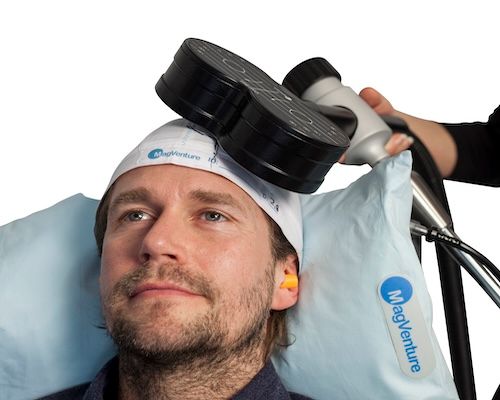 Depression
Mehboob Ali Nazarani, M.D. · Dec 10, 2024 · 3 min read
Is TMS Appropriate for Me?
Who TMS is a good fit for, who it is not, and the questions your psychiatrist will work through with you before recommending it.
Read articleFind Out If TMS for Depression Is Right for You
The first step is a consultation with Dr. Nazarani to evaluate whether TMS is appropriate for your situation and which protocol fits best. You are not committing to treatment — you are finding out if it makes sense for you.