TMS for Adolescent Depression
TMS is FDA-cleared for adolescents aged 15 to 21 with major depressive disorder, as an adjunct treatment where antidepressants have not produced an adequate response. It provides a non-medication option for younger patients, or for families who prefer to explore alternatives to medication.
Dr. Nazarani personally evaluates every adolescent TMS patient at Everhealth and oversees the treatment plan throughout the course.
The research base in adolescents is newer than in adults, but it is growing, and early results are consistent with what has been observed in adult populations. We use age-appropriate protocols and involve parents or guardians in the evaluation and treatment planning process.
How TMS Works for Adolescent Depression
The mechanism is the same as in adults. TMS targets the left dorsolateral prefrontal cortex (DLPFC), a brain region involved in mood regulation that is underactive in patients with depression. Focused magnetic pulses stimulate this area, increasing neural activity in circuits that medication may not effectively reach.
Standard Protocol
A standard course is 36 sessions delivered daily over 4 to 6 weeks. This is the most extensively studied approach in adolescents and is typically covered by insurance when treatment-resistance criteria are met.
Accelerated Protocols
Compressed treatment timelines delivering multiple sessions per day, or using theta burst stimulation to shorten each session, reducing the overall number of weeks required.
The protocol decision is made during your consultation with Dr. Nazarani, who personally evaluates each adolescent patient and discusses the options with the patient and their parent or guardian.
Who Is a Candidate?
Your teenager has tried medication or therapy without adequate results.
If one or more treatments have not provided sufficient improvement, TMS is a clinically supported next step. Insurance typically covers the standard TMS protocol for adolescent depression when treatment-resistant criteria are met.
Your family prefers a non-medication approach.
Some families want to explore non-medication options for their teenager. TMS is a valid choice, available as a self-pay option.
The consultation includes both the adolescent patient and a parent or guardian. Dr. Nazarani evaluates the patient's diagnosis, treatment history, and current symptoms, and discusses whether TMS is appropriate and which protocol fits best.
TMS is not appropriate for patients with metal implants in or near the head, a history of seizures, or certain neurological conditions. These are evaluated during the consultation.
What the Research Shows
The evidence base for TMS in adolescent depression is newer than in adults but growing steadily, with results that are broadly consistent with adult outcomes.
Standard Protocols
In controlled trials, approximately 40–45% of adolescents with treatment-resistant depression respond to TMS, and approximately 25–30% achieve remission. Larger real-world clinical datasets have reported higher rates, with response in the range of 60–75% and remission around 50–60%.
Safety
TMS has been well-tolerated in adolescent studies, with side effects consistent with what is seen in adults: mild scalp discomfort and headache, both typically temporary. No seizures have been reported in the major adolescent studies.
What is still emerging
One-year durability data in adolescents are not yet well established. Given that acute outcomes are comparable to adults, long-term patterns are expected to be similar, but more research is needed.
Not everyone responds to TMS. Individual results vary, and Dr. Nazarani will discuss realistic expectations with you and your family during the consultation.
What else you should know
This page covers TMS for adolescent depression specifically. For details on how TMS treatment works, what sessions feel like, and cost and insurance information, see our TMS Overview. For information about TMS for adult depression, including accelerated and one-day protocols, see TMS for Depression.
Frequently Asked Questions
For FDA-cleared conditions, meaning depression, adolescent depression, and OCD, most major plans cover standard TMS when treatment-resistance criteria are met. That includes Aetna, BCBS, Cigna, Medicare, Tricare, and other major plans. We verify your benefits as part of the TMS evaluation.
Yes. The MagVenture system is FDA-cleared for ages 15 to 21 with major depressive disorder who have not responded adequately to antidepressants. Dr. Nazarani personally evaluates every adolescent TMS patient and oversees the treatment plan.
Standard sessions take approximately 19 minutes and are conducted during office hours. Theta burst sessions can be completed in approximately 3 minutes. We work with families to find scheduling that minimizes disruption to school and activities.
TMS has been well-tolerated in adolescent studies. The most common side effects are mild scalp discomfort and headache, both typically temporary. There is no sedation and no anesthesia. Your teenager can return to their normal routine immediately after each session.
Learn More About TMS
 Depression
Mehboob Ali Nazarani, M.D. · Sep 26, 2026 · 8 min read
Why Can't I Feel Happy Anymore? Causes of Emotional Numbness
Can't feel happy anymore? A psychiatrist explains anhedonia, the inability to feel pleasure: its causes, how it differs from numbness, and its treatment.
Read article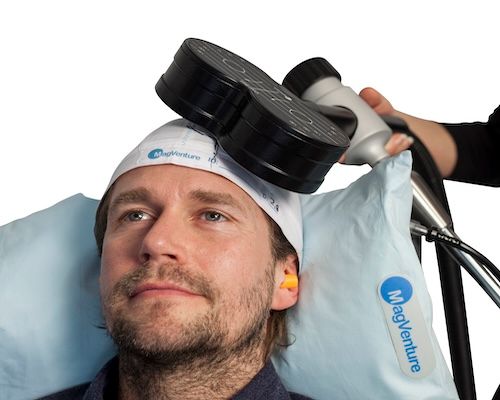 Depression
Mehboob Ali Nazarani, M.D. · Dec 10, 2024 · 3 min read
Is TMS Appropriate for Me?
Who TMS is a good fit for, who it is not, and the questions your psychiatrist will work through with you before recommending it.
Read article Depression
Mehboob Ali Nazarani, M.D. · Dec 10, 2024 · 2 min read
Long-Term Benefits of TMS Therapy - Sustaining Relief from Depression
What the research says about how long TMS results last, relapse rates after a course of treatment, and what maintenance sessions involve.
Read articleFind Out If TMS Is Right for Your Teenager
The first step is a consultation with Dr. Nazarani, together with a parent or guardian, to evaluate whether TMS is appropriate and which protocol fits best. You are not committing to treatment. You are finding out if it makes sense for your family.