TMS Therapy
TMS Therapy for Depression, OCD, and Anxiety
When medication alone is not enough, TMS offers a different path forward.
Available in Tomball | Coming later this year to Houston
What Is TMS?
Transcranial Magnetic Stimulation (TMS) is a brain stimulation treatment used for depression, OCD, and anxiety. It uses focused magnetic pulses to activate specific areas of the brain involved in mood and behavior regulation, targeting neural circuits directly and reaching areas that medication alone may not effectively address.
TMS is not electroconvulsive therapy (ECT). The two are often confused, but they are fundamentally different. TMS requires no anesthesia, no sedation, and produces no memory-related side effects. You sit in a chair, remain fully awake during treatment, and return to your day immediately after.
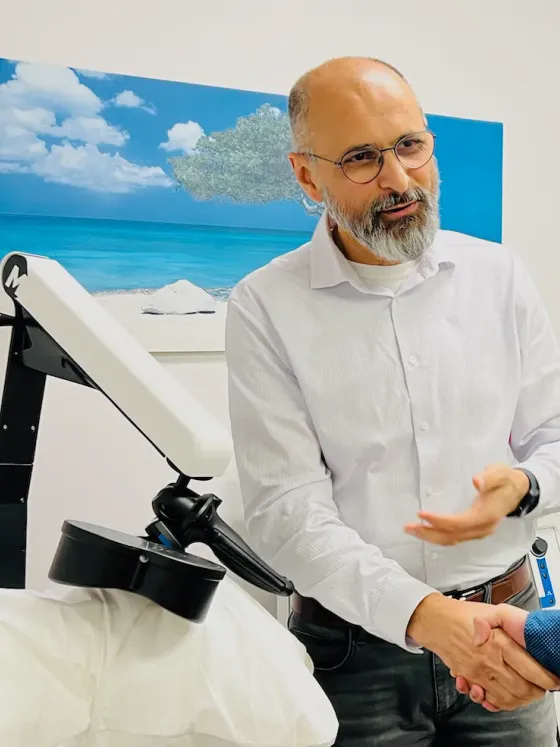
Your TMS Doctor
Dr. Mehboob Ali Nazarani is a board-certified psychiatrist with nearly three decades of clinical experience. He founded Everhealth in 2004 and serves as its Medical Director.
Dr. Nazarani completed a Visiting Fellowship in Transcranial Magnetic Stimulation at Duke University Medical Center. He personally evaluates every TMS patient at Everhealth, performs brain mapping, selects the treatment protocol, and monitors progress throughout the treatment course.
At Everhealth, TMS is a psychiatrist-led service from start to finish. The doctor who designs your treatment plan is the same one who evaluates you, maps your brain, and adjusts your protocol based on your response.
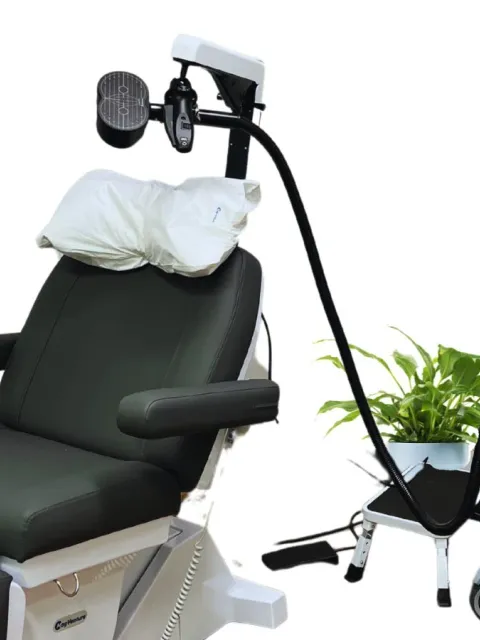
Our Technology
We treat with the MagVenture TMS system. The device matters more than it might appear: a system's FDA clearances determine which conditions it can be used to treat and which protocols it can deliver.
What the MagVenture system is FDA-cleared for
- Major depressive disorder (2015)
- Obsessive-compulsive disorder, as an adjunct treatment (2020)
- Adolescent major depressive disorder, ages 15 to 21, as an adjunct treatment where antidepressants have not worked (August 2025)
- Accelerated protocols delivering multiple sessions per day, for adult major depressive disorder (May 2026)
- Decreasing anxiety symptoms in adult patients who have major depressive disorder with comorbid anxiety
MagVenture was also the first system cleared for the 3-minute Express TMS theta burst protocol, which is what makes our shortest sessions possible.
Who Is a Candidate?
You have tried medication without the results you need
If one or more medications have not provided adequate improvement, or if side effects have made medication difficult to tolerate, TMS is a clinically supported next step. This is the most common pathway to TMS, and insurance typically covers treatment for FDA-cleared conditions when medication has not been effective.
You prefer a non-medication approach
Some patients want to pursue TMS before trying medication, or instead of medication entirely. That is a valid clinical choice, and one we support. This pathway is available as a self-pay option.
Your condition is treated off-label
TMS is FDA-cleared for major depressive disorder, adolescent depression in ages 15 to 21, OCD, and for reducing anxiety symptoms in patients whose depression comes with anxiety. Standalone generalized anxiety, without depression, sits outside those clearances and is treated off-label based on a growing body of research. We discuss the current evidence during your consultation so you can make an informed decision.
Whether you are new to Everhealth or already a patient here, TMS is available to you. Existing patients can be referred internally by their provider. If you are new to the practice and specifically interested in TMS, you can request a consultation directly.
TMS is not appropriate for everyone. Patients with metal implants in or near the head, a history of seizures, or certain neurological conditions may not be candidates. This is evaluated during your consultation.
Conditions We Treat
TMS works differently depending on the condition being treated. Each involves specific brain targets, distinct protocols, and its own body of clinical evidence. Select your condition below to see how TMS applies to your situation and what the research shows.
Depression
TMS has the strongest and deepest evidence base of any condition it treats. For patients with treatment-resistant depression, it is one of the most effective non-medication options available.
Learn more about TMS for Depression →FDA-ClearedAdolescent Depression
TMS is FDA-cleared for adolescent depression, with age-appropriate protocols and growing clinical evidence in younger populations.
Learn more about TMS for Adolescent Depression →FDA-ClearedOCD
TMS for OCD uses different brain targets and protocols than depression treatment. It is FDA-cleared and supported by a growing body of clinical research, particularly for patients who have not responded adequately to therapy and medication alone.
Learn more about TMS for OCD →Cleared & Off-LabelAnxiety
Two different situations. Treating anxious depression, meaning depression that comes with anxiety symptoms, falls within the FDA-cleared indication. Standalone generalized anxiety is treated off-label, with emerging clinical evidence.
Learn more about TMS for Anxiety →Our TMS Protocols
Not every patient needs the same treatment approach. We offer multiple TMS protocols, and the right one depends on your condition, clinical picture, and practical needs. The protocol decision is made during your consultation with Dr. Nazarani.
Standard Protocols
A standard course for depression is 36 sessions delivered daily over 4 to 6 weeks. A standard course for OCD is 30 sessions. This is the most extensively studied TMS approach with the deepest evidence base, and it is typically covered by insurance for FDA-cleared conditions when treatment-resistant criteria are met.
Accelerated Protocols
Accelerated protocols deliver multiple sessions per day on a condensed schedule, compressing a full course into far less calendar time. The MagVenture system is FDA-cleared for accelerated protocols in adult major depressive disorder. We offer a three-week protocol of three sessions a day and a five-day protocol of ten sessions a day, alongside the One-Day Protocol described below.
One-Day Accelerated Protocol
The entire TMS treatment course delivered in a single day. No weeks of daily visits, no extended time away from work or family. This is our most time-efficient and cost-effective TMS option, and it is well-suited to patients traveling from outside the Greater Houston area. A full course compressed into one day sits outside the accelerated clearance described above, and it is self-pay.
Theta Burst (Express TMS)
Theta burst stimulation delivers a session in approximately 3 minutes rather than approximately 19. It is chosen for convenience and scheduling rather than for a particular condition, so it is an option regardless of what is being treated. Most insurers do not yet cover theta burst, so it is generally self-pay.
What the Process Looks Like
- 1
Consultation
The process begins with a clinical evaluation. Dr. Nazarani reviews your diagnosis, treatment history, and current symptoms to determine whether TMS is appropriate and which protocol fits best.
- 2
Brain Mapping
Before treatment begins, Dr. Nazarani performs brain mapping to identify the precise treatment target. The motor threshold is calibrated to your individual neuroanatomy, and the stimulation site is determined based on your condition and the protocol selected.
- 3
Treatment Sessions
Treatment is delivered at our Tomball office by a trained TMS technician. Session length varies by protocol. Standard sessions take approximately 19 minutes. Theta burst sessions can be completed in approximately 3 minutes. You are seated comfortably, fully awake, and can return to normal activities immediately after.
- 4
Monitoring
Your progress is tracked throughout the treatment course using standardized clinical measures. If adjustments to the protocol are needed, whether in targeting, intensity, or approach, Dr. Nazarani reviews your response data and modifies the plan accordingly.
- 5
Post-Treatment
After the treatment course is complete, we discuss your response and plan next steps. For some patients that means maintenance sessions. For others it means continuing with their existing care plan.
What to Expect
During each session, you will feel a tapping or clicking sensation on your scalp at the treatment site. Most patients find it mildly uncomfortable at first but adjust within the first few sessions. You are fully awake throughout and can relax, read, or watch something during treatment.
The most common side effects are mild scalp discomfort and headache, both typically temporary and tend to diminish over the course of treatment. There is no sedation and no recovery period, and unlike ECT, TMS has not been associated with memory or other cognitive side effects. Most patients return to work, school, or their daily routine immediately after each session. For standard TMS sessions you do not need someone to drive you — note that the One-Day Accelerated Protocol is different, and we do ask you to arrange a ride for that.
What the Research Shows
Standard TMS for Depression
In large clinical studies, approximately 50–60% of patients with treatment-resistant depression respond to a standard TMS protocol, and approximately 30–35% achieve full remission. Among those who respond, roughly 60–65% maintain their improvement at 12 months.
Accelerated and One-Day Protocols
Newer accelerated protocols have demonstrated substantially higher outcomes in early research. The Stanford SAINT trial, a randomized controlled trial of 5-day accelerated TMS, reported a 79% remission rate in patients with severe treatment-resistant depression. A single-day accelerated protocol (ONE-D) has reported response rates of approximately 80–90% and remission rates of 56–75% by 6 weeks, with results sustained through 12 weeks. These findings come from an initial 32-patient open-label case series. No randomized controlled trial of single-day TMS has been completed, and larger studies are underway.
For Context
In the landmark STAR*D trial, the largest clinical study of antidepressant medication, approximately one-third of patients achieved remission with their first medication. By the fourth medication trial, remission rates fell to approximately 13%.
Condition-specific research and outcomes are detailed on each treatment page.
Sources: Carpenter et al. (2012), Dunner et al. (2014), Cole et al. (2022), Vaughn et al. (2025), Rush et al. (2006).
What Our TMS Patients Say
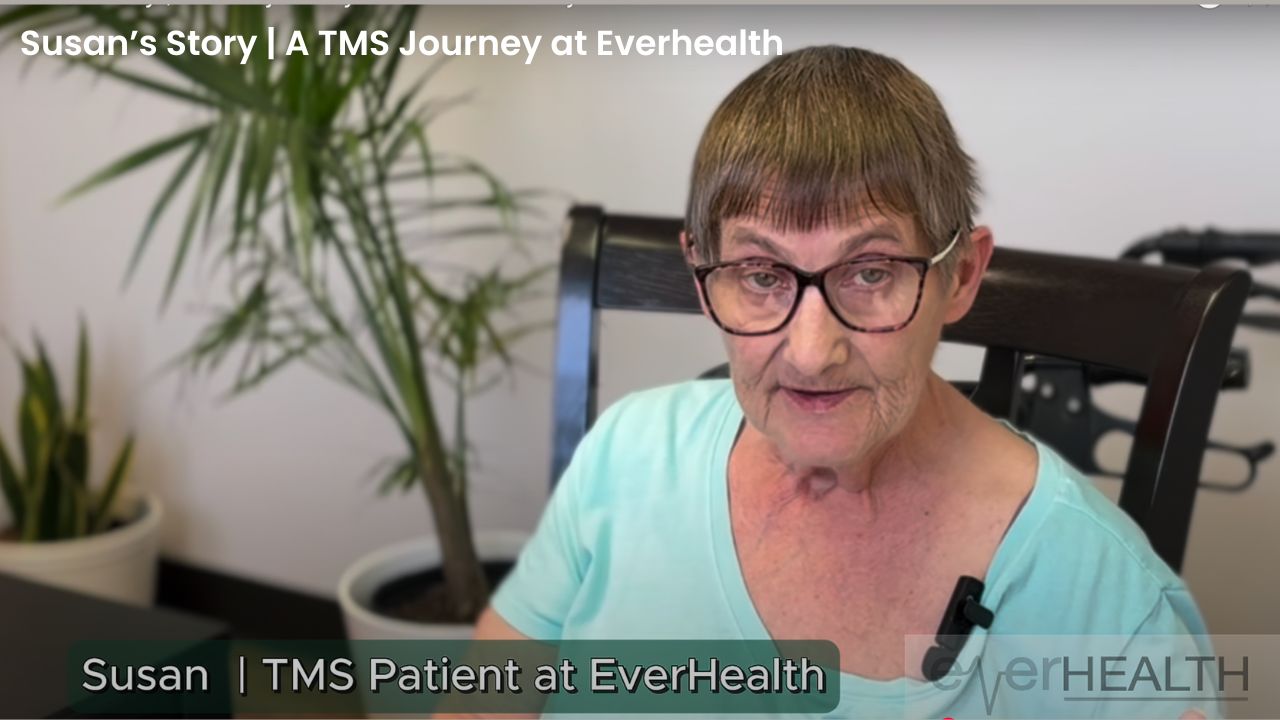
Finding Resilience and Renewal: Susan's TMS Success Story
After 30 years of medication stopped working, Susan regained her quality of life and social connections through non-chemical TMS therapy. The treatment proved life-changing, providing her with the emotional strength and equanimity to navigate a serious health diagnosis with hope.
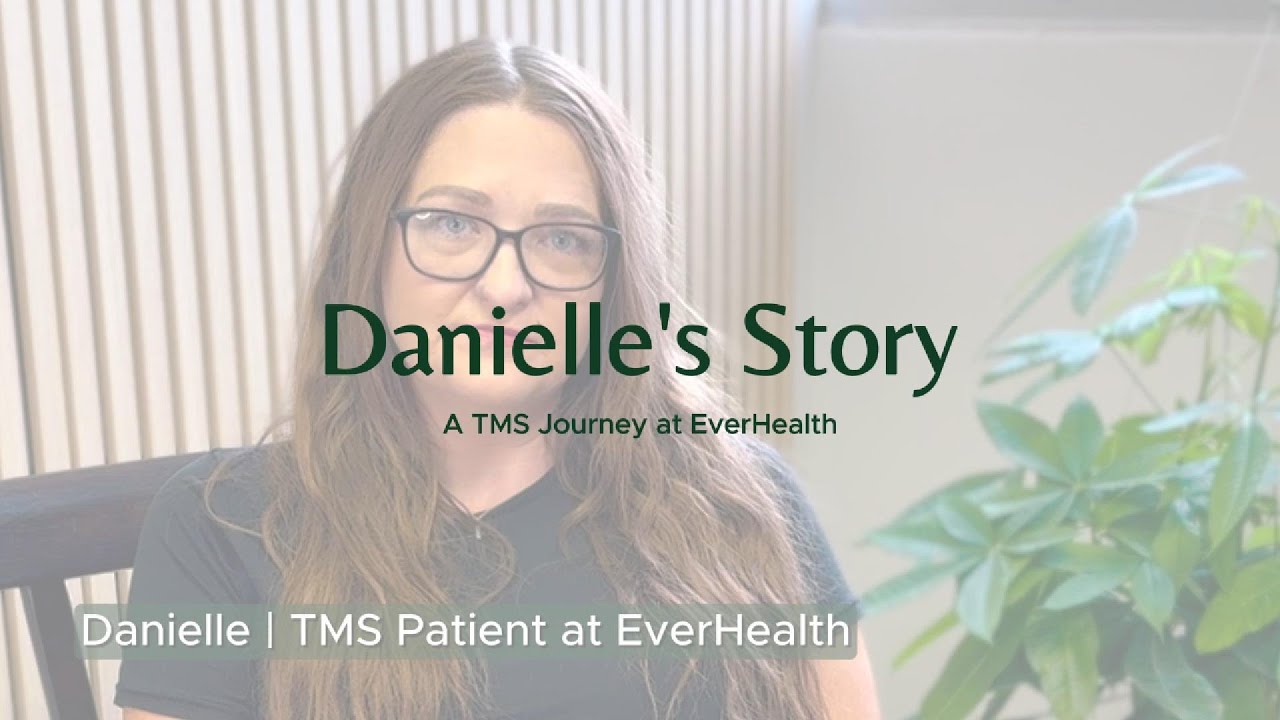
Reclaiming Motivation and Life: Danielle's TMS Success Story
After struggling with depression and a lack of motivation that left her unable to leave bed, Danielle found lasting relief and renewed energy through TMS treatment. She now enjoys a vibrant social life and personal passions.
Individual results vary. These testimonials reflect one patient's experience and are not a prediction of outcome. Not everyone responds to TMS.
Cost and Insurance
We discuss cost before treatment begins. There are no surprise bills.
Insurance Coverage
For FDA-cleared conditions (depression, adolescent depression, OCD), most major plans cover standard TMS protocols when treatment-resistance criteria are met. This typically means one or more prior antidepressant trials that were ineffective or not tolerated, though requirements vary by plan. We handle the documentation and prior authorization, verify your benefits as part of the TMS evaluation, and tell you what to expect before treatment starts.
Plans that cover TMS
- BCBS
- Cigna
- Aetna
- Medicare
- Tricare
- and other major plans
Self-Pay
For patients pursuing TMS as a first-line option, for off-label uses such as standalone generalized anxiety, for theta burst sessions, or when insurance does not cover treatment, self-pay is available. The One-Day Accelerated Protocol starts from $2,500 and is the most cost-effective TMS option we offer. Standard courses are priced by session count, and we review the cost with you before treatment begins.
Financing and Flexibility
CareCredit is available as a financing option. We can also work with patients on pricing on a case-by-case basis to make treatment accessible.
Location and Access
TMS is available at our Tomball office, with Houston coming later this year. Patients regularly travel to Tomball from Cypress, Spring, The Woodlands, Magnolia, and Katy, and the One-Day Accelerated Protocol is designed for patients coming from farther away still.
Tomball
TMS AvailableTomball, TX 77377
Frequently Asked Questions
Basics & Safety
No. They are fundamentally different treatments. TMS delivers focused magnetic pulses to a targeted area of the brain. ECT passes a direct electric current through the brain to induce a seizure under general anesthesia. With TMS there is no anesthesia, no sedation, and no memory loss. You stay awake throughout the session and drive yourself home afterward.
You will feel a tapping or clicking sensation on your scalp at the treatment site. Most patients find it mildly uncomfortable at first and adjust quickly, usually within the first few sessions. The most common side effects are mild scalp discomfort and headache, and both typically fade over the course of treatment.
TMS has been in clinical use for over 15 years. Serious side effects are rare and the risk of seizure is very low. It is not appropriate for everyone: metal implants in or near the head, a history of seizures, or certain neurological conditions may rule out candidacy. This is evaluated during your consultation.
Dr. Nazarani personally evaluates every TMS patient, performs the brain mapping, selects the protocol, and monitors your response throughout the course. The treatment sessions themselves are delivered by a trained TMS technician under his direction.
Dr. Nazarani completed a Visiting Fellowship in Transcranial Magnetic Stimulation at Duke University Medical Center. He is board-certified in psychiatry by the American Board of Psychiatry and Neurology, a member of the Clinical TMS Society, and has nearly three decades of clinical experience.
We use the MagVenture system. It is FDA-cleared for major depressive disorder, OCD as an adjunct treatment, adolescent depression in ages 15 to 21, and for decreasing anxiety symptoms in adult patients whose depression comes with anxiety. It supports both standard protocols and 3-minute theta burst sessions.
Not everyone responds. If treatment is not effective, Dr. Nazarani will discuss the alternatives with you directly. We are straightforward about this because setting realistic expectations is part of how the practice operates.
Cost & Insurance
It depends on the protocol. A standard course starts from $7,000 self-pay, and is covered by most major plans for FDA-cleared conditions when treatment-resistance criteria are met. Accelerated protocols are self-pay at an all-inclusive course price: $6,500 for the three-week protocol, $10,000 for the five-day protocol, and from $2,500 for the One-Day Protocol. We review cost with you before treatment begins, CareCredit financing is available, and self-pay pricing is handled case by case.
For FDA-cleared conditions, meaning depression, adolescent depression, and OCD, most major plans cover standard TMS when treatment-resistance criteria are met. That includes Aetna, BCBS, Cigna, Medicare, Tricare, and other major plans. We verify your benefits as part of the TMS evaluation.
Most plans require one or more antidepressant trials that were either ineffective or not tolerated. The exact requirement varies by plan. Everhealth handles the documentation and the prior authorization.
Yes. Pursuing TMS before medication is a valid clinical choice and one we support. Insurance generally will not cover it in that case, so it becomes a self-pay pathway. Dr. Nazarani will discuss whether it makes sense for your situation at the consultation.
Process & Logistics
It depends on the protocol, and Dr. Nazarani discusses the options at your consultation. A standard session takes approximately 19 minutes. A theta burst session takes approximately 3 minutes, which is a convenience and scheduling advantage rather than a clinical one, and most insurers do not yet cover it. Accelerated protocols fit several short sessions into a day: three a day over three weeks, ten a day over five days, or twenty in a single day.
A standard course for depression is typically 36 sessions over 4 to 6 weeks. A standard course for OCD is 30 sessions. Accelerated protocols deliver a full course in far less time: 45 sessions over three weeks, 50 sessions over five days, or 20 sessions in a single day. The number is determined at your consultation.
Yes. There is no sedation and no recovery period, so patients return to work, school, or their normal routine immediately after each session. If daily visits over 4 to 6 weeks do not fit your schedule, accelerated protocols compress the same course into three weeks, five days, or a single day.
No. You can request a consultation directly, whether or not you are already a patient here. If you are an existing Everhealth patient, your provider can also refer you internally.
In most cases, yes. Dr. Nazarani conducts a full medication review at your evaluation and advises on any adjustments needed before or during treatment.
Dr. Nazarani reviews your diagnosis, treatment history, and current symptoms to determine whether TMS is appropriate and which protocol fits. Brain mapping is a separate step that happens before your first treatment session, not part of this consultation. The consultation is not a commitment to treatment.
Before your first treatment, Dr. Nazarani locates the precise treatment target. He calibrates the motor threshold to your individual neuroanatomy and sets the stimulation site based on your condition and the protocol selected. This is why two patients with the same diagnosis do not receive identical treatment.
TMS is available at our Tomball office at 14011 Park Drive, Ste 212, about 30 miles northwest of downtown Houston. On-site TMS at our Houston office is coming later this year. Patients regularly travel to Tomball from Cypress, Spring, The Woodlands, Magnolia, and Katy, and the One-Day Protocol is designed for patients traveling from farther away.
Conditions
Yes. The MagVenture system we use is cleared for OCD as an adjunct treatment. OCD protocols target different brain regions than depression protocols, and a standard OCD course is 30 sessions. It is often covered by insurance when treatment-resistance criteria are met.
Yes. The MagVenture system is FDA-cleared for ages 15 to 21 with major depressive disorder who have not responded adequately to antidepressants. Dr. Nazarani personally evaluates every adolescent TMS patient and oversees the treatment plan.
There are two situations. If you have depression with anxiety symptoms, treating that anxious depression falls within the FDA-cleared indication. If you have standalone generalized anxiety without depression, TMS is off-label, based on emerging evidence, and the One-Day Protocol is also off-label for that use. Dr. Nazarani reviews what the research does and does not show.
In studies of treatment-resistant depression, roughly 50 to 60% of patients respond and about 30 to 35% reach full remission. Among those who respond, roughly 60 to 65% maintain their improvement at 12 months. Some patients do maintenance sessions. We track progress with standardized measures.
Learn More About TMS
 Depression
Mehboob Ali Nazarani, M.D. · Sep 26, 2026 · 8 min read
Why Can't I Feel Happy Anymore? Causes of Emotional Numbness
Can't feel happy anymore? A psychiatrist explains anhedonia, the inability to feel pleasure: its causes, how it differs from numbness, and its treatment.
Read article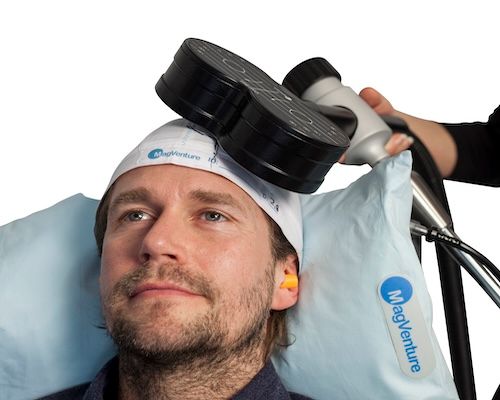 Depression
Mehboob Ali Nazarani, M.D. · Dec 10, 2024 · 3 min read
Is TMS Appropriate for Me?
Who TMS is a good fit for, who it is not, and the questions your psychiatrist will work through with you before recommending it.
Read article Depression
Mehboob Ali Nazarani, M.D. · Dec 10, 2024 · 2 min read
Long-Term Benefits of TMS Therapy - Sustaining Relief from Depression
What the research says about how long TMS results last, relapse rates after a course of treatment, and what maintenance sessions involve.
Read articleFind Out If TMS Is Right for You
The first step is a consultation with Dr. Nazarani to evaluate whether TMS is appropriate for your situation and which protocol fits best. You are not committing to treatment. You are finding out if it makes sense for you.