TMS for Anxiety
There are two different situations here, and the distinction matters for both your treatment plan and your insurance coverage.
If you have depression with anxiety symptoms, often called anxious depression, treating it with TMS falls within the FDA-cleared indication. The MagVenture system we use is cleared for decreasing anxiety symptoms in adult patients who have major depressive disorder with comorbid anxiety. This is standard, insurance-eligible treatment.
If you have standalone generalized anxiety disorder (GAD) without depression, TMS is not FDA-cleared for that use. It is used off-label, based on a growing body of clinical research that supports its effectiveness for some patients. The evidence base is smaller than for depression or OCD, and we discuss the current state of it during your consultation so you can make an informed decision.
How TMS Works for Anxiety
Generalized anxiety is associated with dysregulation in brain circuits involved in threat appraisal and emotional regulation, including the prefrontal cortex. TMS targets these areas to modulate circuit activity and reduce the intensity of chronic worry and anxiety symptoms.
Anxious Depression (FDA-Cleared)
When anxiety accompanies major depressive disorder, the standard depression protocol addresses both. A standard course is 36 sessions delivered daily over 4 to 6 weeks, and it is typically covered by insurance when treatment-resistance criteria are met.
Standalone Generalized Anxiety (Off-Label)
For GAD without depression, treatment follows the same delivery method but sits outside the cleared indication. It is self-pay. Accelerated and theta burst schedules can compress the timeline for patients who need a faster course.
Single-Day Protocol (Off-Label for Anxiety)
Delivers the full treatment course in one day. Early research on single-day TMS for anxiety shows promising response and remission rates, though the evidence base is still developing. Use of the One-Day Protocol for anxiety is off-label and self-pay.
The protocol decision is made during your consultation with Dr. Nazarani based on your symptoms, treatment history, and clinical picture, including whether depression is part of the picture.
Who Is a Candidate?
You have tried medication or therapy without adequate results.
If treatment for anxiety has not provided sufficient improvement, TMS offers a different mechanism of action that may be effective where other approaches have not been.
You prefer a non-medication approach.
Some patients want to pursue TMS as an alternative to medication, and that is a valid clinical choice.
You understand where your situation falls.
If your anxiety accompanies depression, treatment falls within the FDA-cleared indication and insurance coverage is generally available. If you have standalone generalized anxiety without depression, TMS is off-label for that use, based on emerging research and clinical experience, and it is self-pay. We tell you which applies to you during your consultation.
TMS is not appropriate for patients with metal implants in or near the head, a history of seizures, or certain neurological conditions. Candidacy is evaluated during your consultation.
What the Research Shows
The evidence base for TMS in generalized anxiety is smaller than for depression or OCD, but it is growing. We present this data honestly because informed patients make better decisions.
Standard Multi-Session Protocols
In small trials, response rates for TMS in GAD have typically ranged from approximately 40–60%. A meta-analysis of six studies found that TMS produced a large reduction in anxiety severity compared to sham treatment.
Single-Day Accelerated Protocol
An open-label study of a single-day TMS protocol for GAD (N=21) reported response rates of approximately 66–72% and remission rates of approximately 50–56% at 12 weeks. These are early findings from a small study, and larger trials are needed.
What is still emerging
One-year durability data for TMS in anxiety are not yet established. Available reports indicate that improvements can persist for at least several months after treatment, but long-term maintenance patterns are still being studied.
Not everyone responds to TMS. The evidence base for anxiety is less extensive than for depression, and individual results vary. Dr. Nazarani will discuss realistic expectations and the current state of the research during your consultation.
What else you should know
This page covers TMS for anxiety specifically. For details on how TMS treatment works, what sessions feel like, and cost and insurance information, see our TMS Overview.
Frequently Asked Questions
There are two situations. If you have depression with anxiety symptoms, treating that anxious depression falls within the FDA-cleared indication. If you have standalone generalized anxiety without depression, TMS is off-label, based on emerging evidence, and the One-Day Protocol is also off-label for that use. Dr. Nazarani reviews what the research does and does not show.
Response time varies by individual and protocol. Some patients notice improvement within the first few weeks of a standard course. With the One-Day Protocol, improvement typically develops over the weeks following treatment, with full effects emerging by approximately four to six weeks.
No. TMS is an established, FDA-cleared technology that is applied off-label to standalone generalized anxiety based on growing clinical research. Off-label use of FDA-cleared treatments is common in medicine when supported by evidence and clinical judgment. It is not the same as a clinical trial.
Insurance covers TMS for FDA-cleared indications, which include depression, adolescent depression, OCD, and anxiety symptoms in patients who also have depression. Standalone generalized anxiety without depression falls outside those clearances, so it is self-pay. We offer financing through CareCredit and can work with patients on pricing case by case.
Learn More About TMS
 Depression
Mehboob Ali Nazarani, M.D. · Sep 26, 2026 · 8 min read
Why Can't I Feel Happy Anymore? Causes of Emotional Numbness
Can't feel happy anymore? A psychiatrist explains anhedonia, the inability to feel pleasure: its causes, how it differs from numbness, and its treatment.
Read article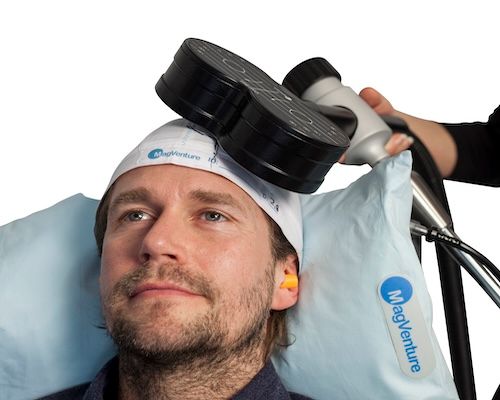 Depression
Mehboob Ali Nazarani, M.D. · Dec 10, 2024 · 3 min read
Is TMS Appropriate for Me?
Who TMS is a good fit for, who it is not, and the questions your psychiatrist will work through with you before recommending it.
Read article Depression
Mehboob Ali Nazarani, M.D. · Dec 10, 2024 · 2 min read
Long-Term Benefits of TMS Therapy - Sustaining Relief from Depression
What the research says about how long TMS results last, relapse rates after a course of treatment, and what maintenance sessions involve.
Read articleFind Out If TMS for Anxiety Is Right for You
The first step is a consultation with Dr. Nazarani to evaluate whether TMS is appropriate for your anxiety and to discuss the current evidence, available protocols, and realistic expectations. You are not committing to treatment. You are finding out if it makes sense for you.